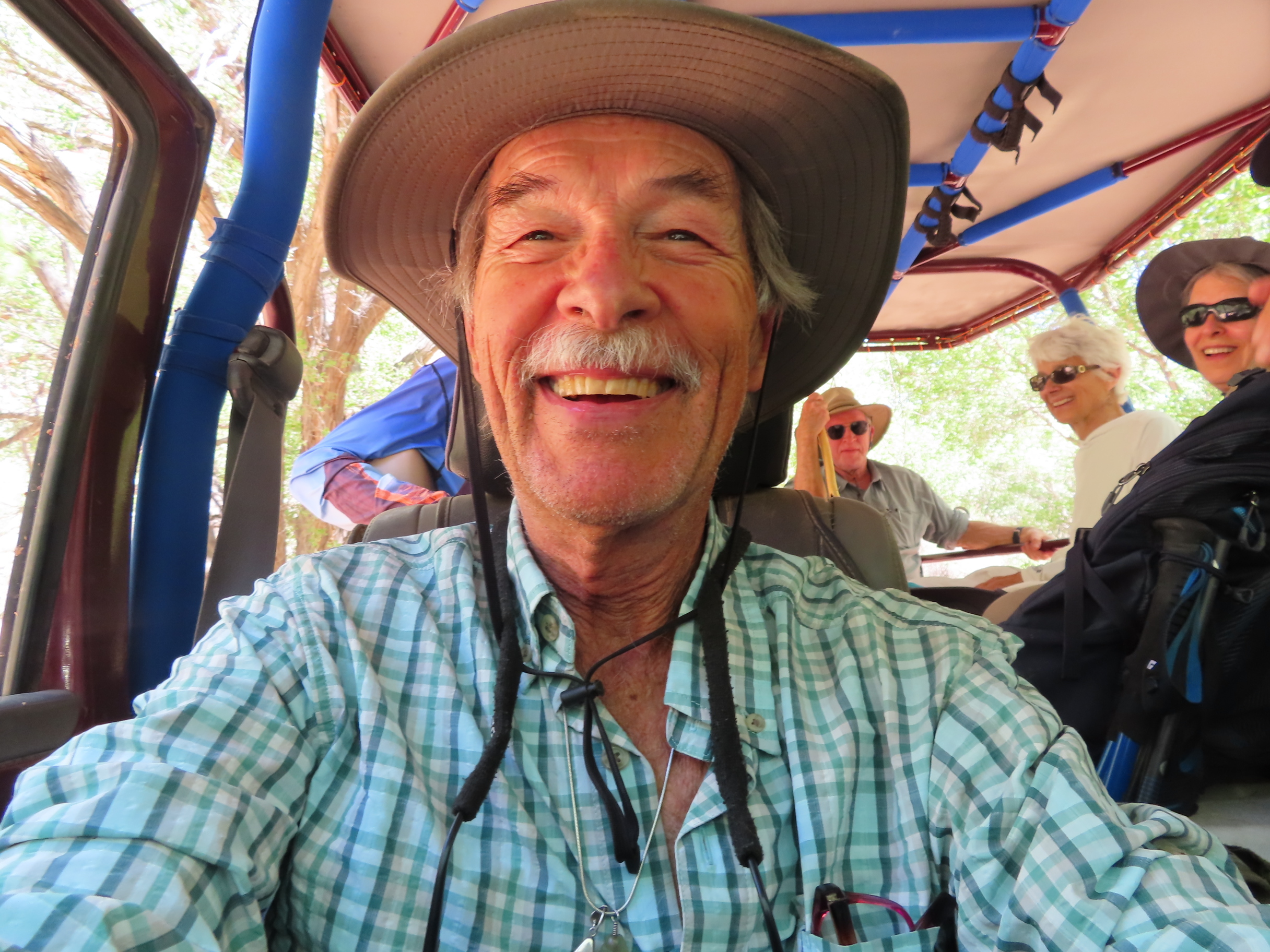
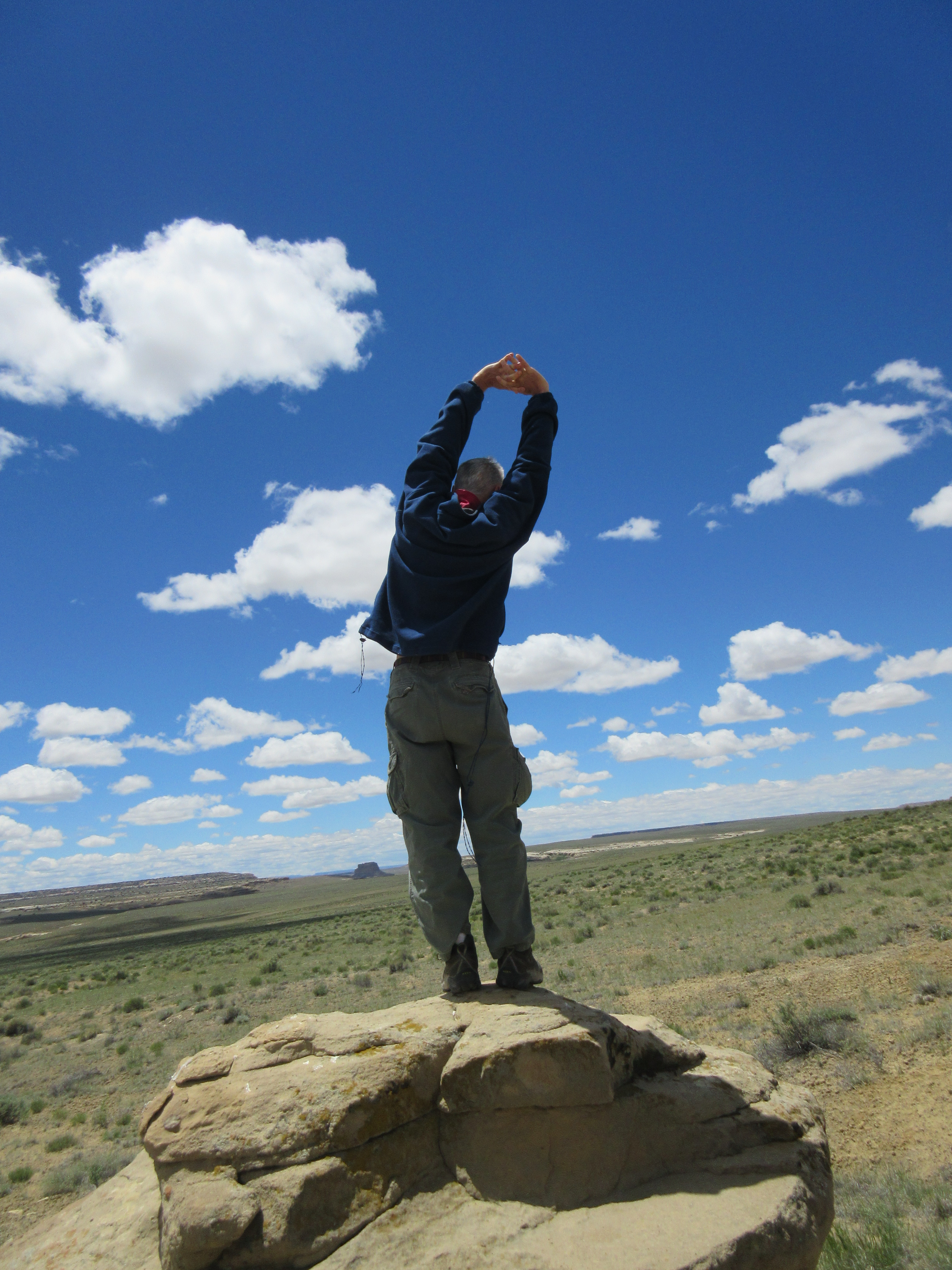
Earth Walks To Canyon de Chelly 2026


Journey to Canyon de Chelly, AZ            May 28-31    2026

“The earth has its music for those who will listen.”  George Santayana

Join Santa Fe-based Earth Walks at this magnificent natural wonder.  Includes:

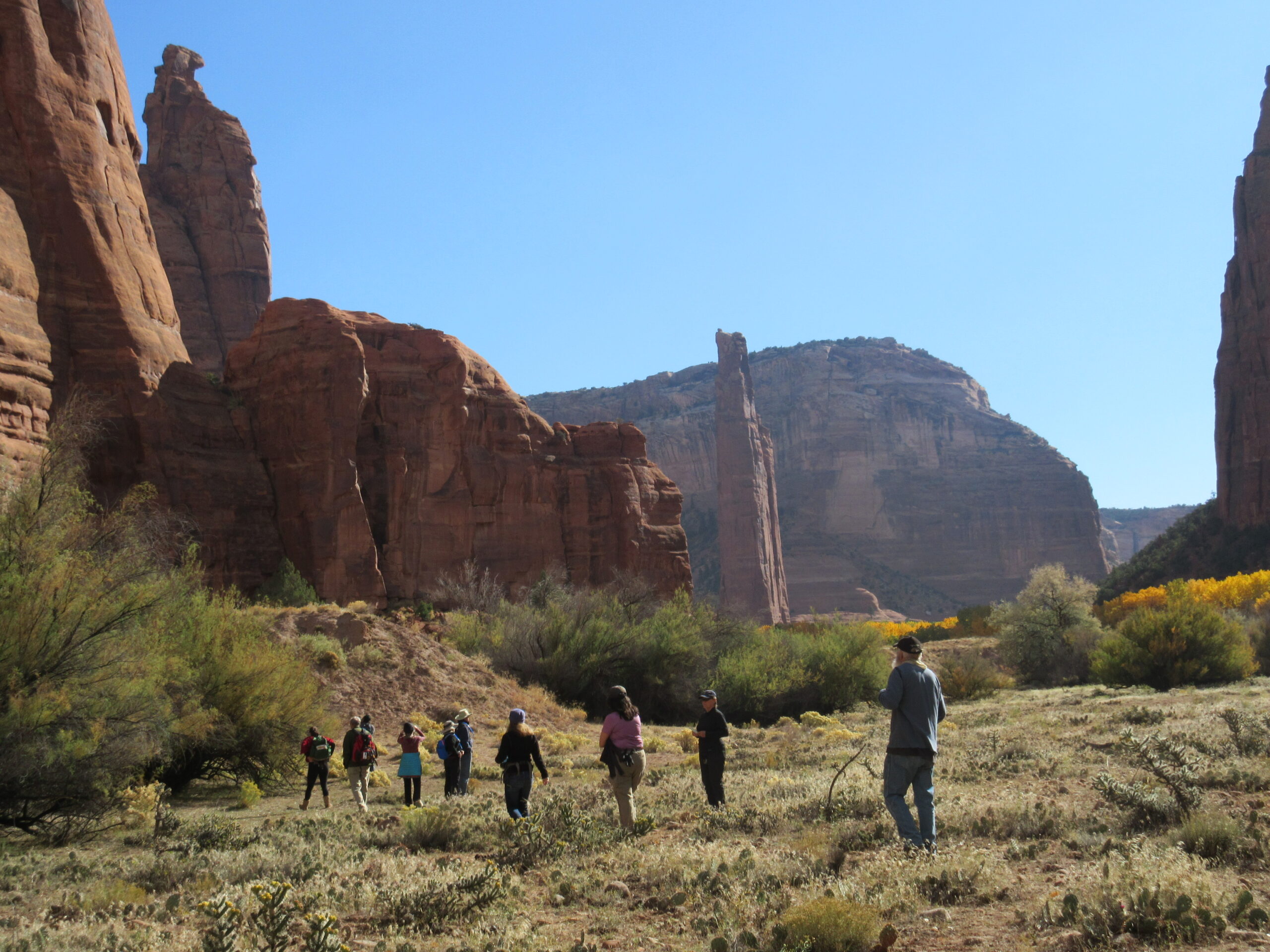
  • Guided walk on trails into the spectacular red sandstone canyon (equipment brought by truck; transportation option for those who choose)
  • Three-night stay at Thunderbird Lodge near canyon; low cost camping available near by
  • Time in solitude at Spider Rock
  • Service activity on a family farm near the Canyon
  • Meaningful dialogue and sharing a meal with local friends on their ranch

Registration deadline is April 28, 2026!   Cost/registration:  earthwalks1@yahoo.com

See you soon!  Doug Conwell

Wonderful Journey to Canyon de Chelly 2025

Earth Walks In Canyon de Chelly 2025

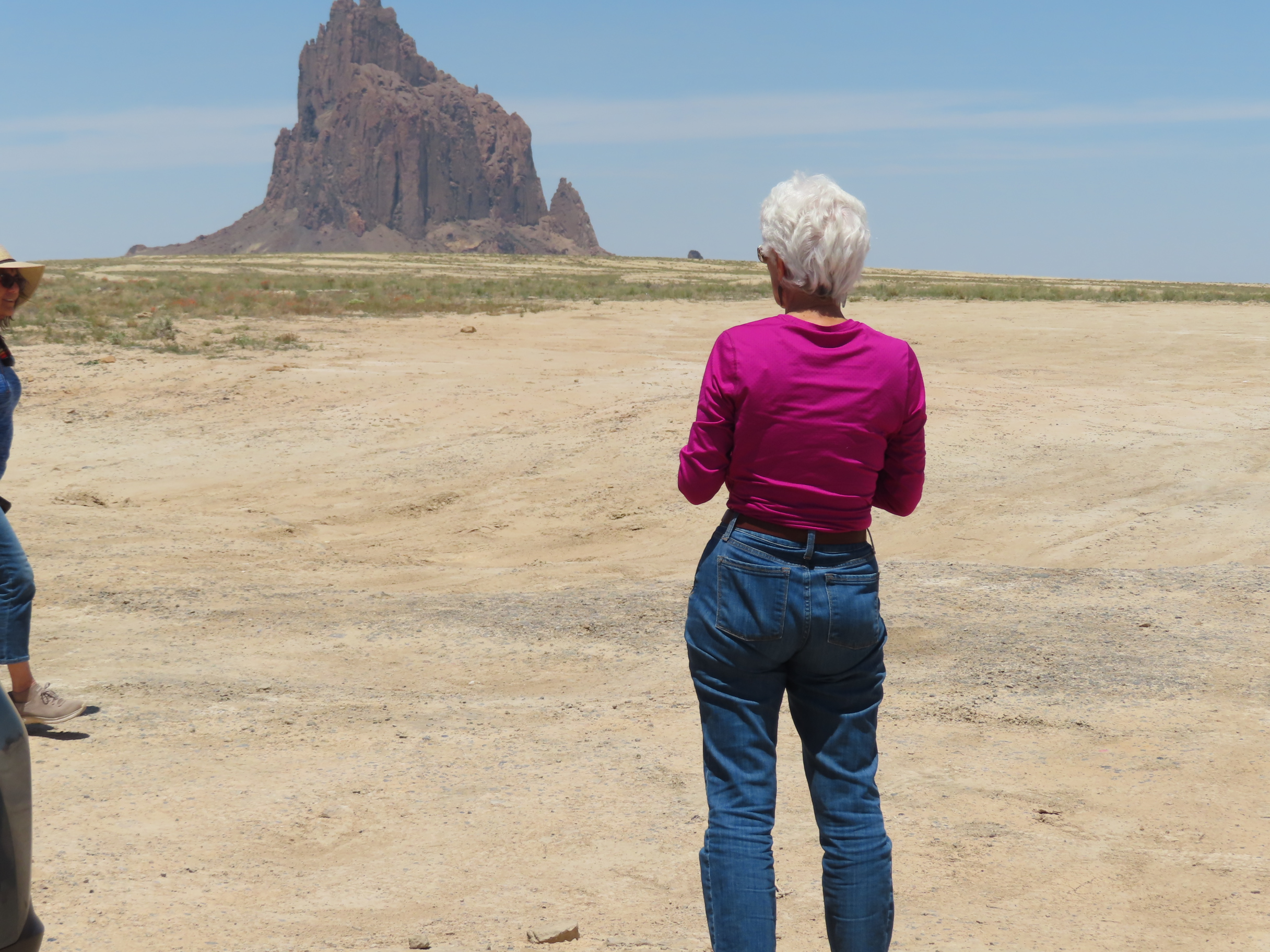
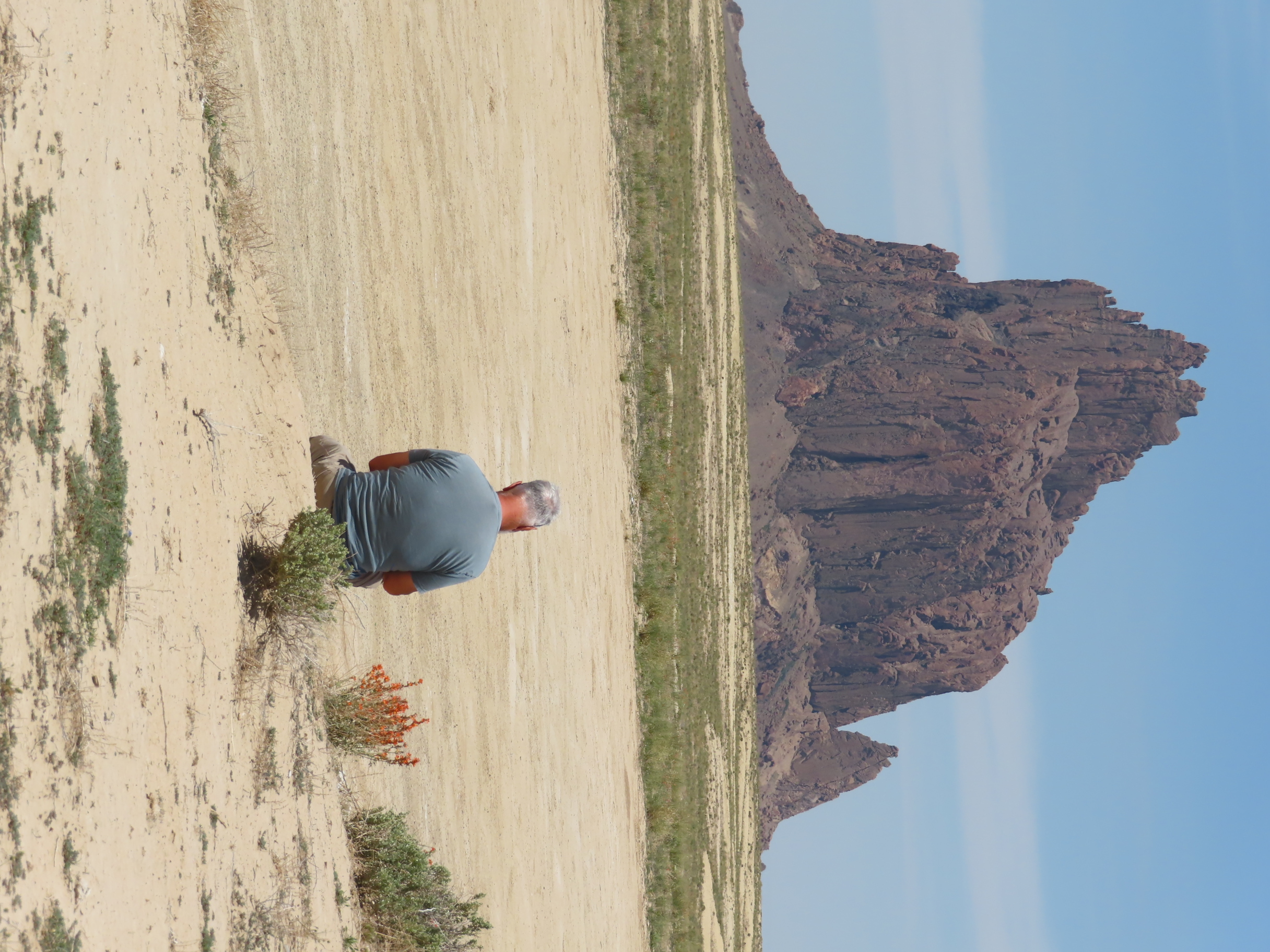
A wonderful journey this May, 2025!  On the way we stopped at the powerful volcanic formation called Shiprock.

Our local guides led us on a hike into the canyon and we stopped for lunch at Spider Rock, one of my places of personal reflection.  One of our participants brought his large telescope for a Star Party on the rim of the canyon.  Dine (Navajo) park ranger Justin shared the cultural cosmology of the stars, giving us a wonderful perspective.  He is a runner and does so even in winter, drawing inspiration from the stars–as did we!

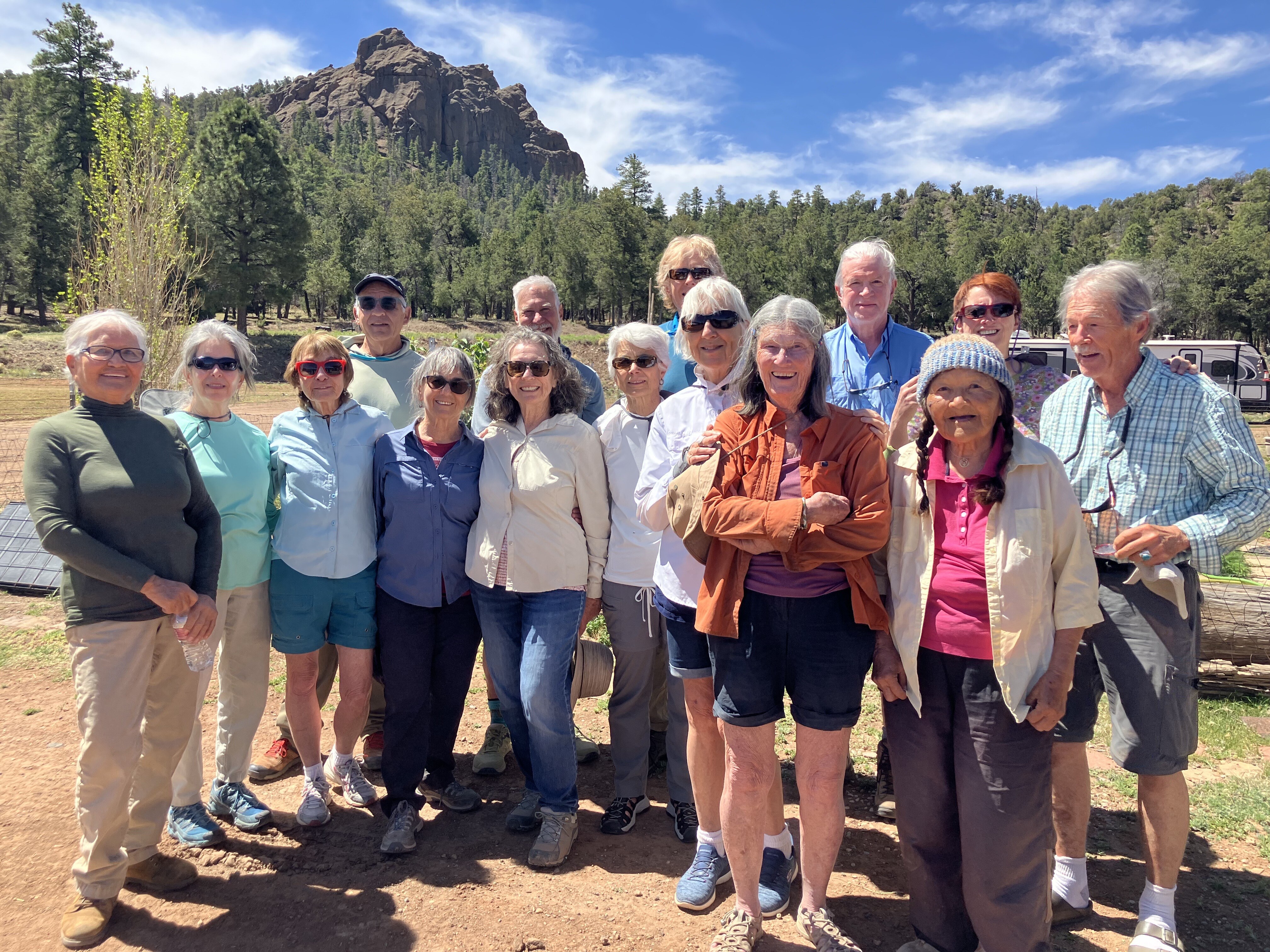
Our last day was spent with friend Esther and her family at their ranch in Black Rock–and they all truly “rock”!  Our thanks to them and so many others along the way.  Plans are to return Memorial Day 2026–let me know if you would like to join the journey.

Happy Trails!
Doug Conwell

Blessings of this special season!  Thanks to all on our Earth Walks in 2024 for making our journeys to Chaco Canyon and Canyon de Chelly so special.

Current plans are for Earth Walks to Canyon de Chelly in June and in the fall for Chaco.  Let me know if you’d be interested!

Happy Trails,

Doug Conwell

Chaco Canyon Journey 2024


Earth Walks Chaco Canyon 2024

The last day of our journey we walked in early morning silence up the path to Casa Rinconada, the Great Kiva.  As we walked up, about 12 elk were walking down the mesa.  One of those amazing sacred moments.  At the kiva, we shared quiet moments of reflection and ceremony.  Ines played her hand made buffalo drum, I played the Native American flute and Michael then intoned the haunting notes of his handpan.  Then it was time to return, back to the campsite and back home after a wonderful experience together.

Come join us in 2025 when we return to Chaco…and maybe so will the elk!

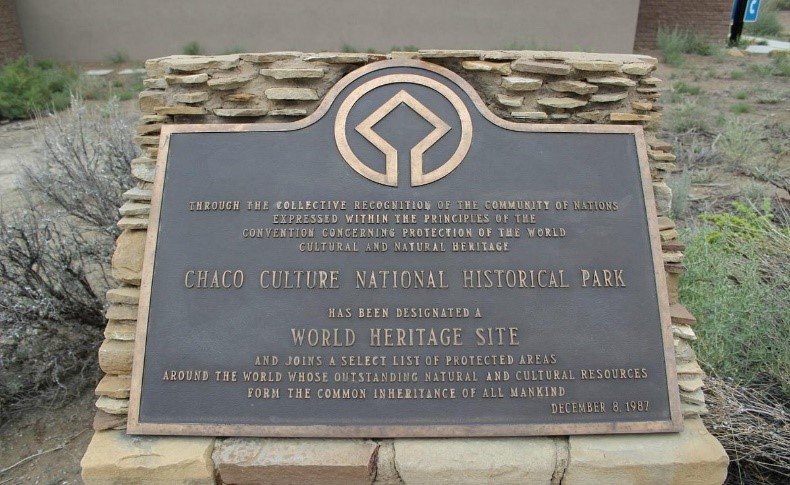
Chaco Canyon Journey September 6-8, 2024

Come join us September 6-8, 2024  to experience the deep stillness and ancient voices of Chaco Canyon.  Two night camping with all meals and guiding services provided (see more about the Earth Walks staff below).  Time on your own in the Canyon as well.

Chaco Canyon, a major center of ancestral Pueblo culture between 850 and 1250, was a focus for ceremonial, trade and political activity.  It is remarkable for its monumental public buildings and distinctive architecture, the most exceptional concentration of pueblos and ancient ruins north of Mexico. Chaco is a great mystery play whose actors are the stars, sun, moon, the land and imagination and spirit of those who have made their way here over millennia. Both solar and lunar cycles were integrated into the architecture http://www.solsticeproject.org/lunarmark.htm and huge building sites were in alignment with each other over many miles. Great straight roads radiated out from the center of the canyon to distant outlying settlements. https://en.wikipedia.org/wiki/Archaeoastronomy#Chaco_Canyon

Many of the Indigenous people of the Southwest consider Chaco as their ancestral home and approach the canyon with the respect that one has for a wise elder in the family.  I am one of the countless thousands who feel an inexplicable kinship here as well.  Over the more than 30 years of personal visits and leading Earth Walks groups to Chaco, my experiences have been unexpected and surprising, healing and transformational.

Earth Walks support staff, Sharon and Tina Guerrero, have Indigenous historical family roots in northern New Mexico and southern Colorado.

Sharon is a passionate advocate for our natural world as a long-time active member of the Sierra Club and Food and Water Watch. She has been supportive of cultural and social movements in New Mexico for many years working with local, state and federal governments. She is a Curandera and has studied with Michael Harner and Sandra Ingerman with the Institute of Shamanic Studies and sat in ceremony and led ceremony with Native Americans and people from all parts of the world. Having studied with NM Master Gardeners, she is currently coordinating an elementary school garden and teaching outdoor education classes.

Tina  was trained as a Santa Fe Master Gardener and is a member and officer of the the Santa Fe Rose Society.  She joyfully tends the roses in public gardens in Santa Fe and also volunteers in the Salazar School garden, raising fresh produce for local families. Professionally, Tina served as a fundraiser for universities and organizations,  in Santa Fe, NM and across the country, including the National Sierra Club. Most recently, she worked for the Museum of Indian Arts and Culture as staff for the Museum of New Mexico Foundation. She has a degree in journalism, and an early prior background in the news industry.

Come Join Us on the Journey!

Cost:  $535  Includes Earth Walks research, preparation and organization as well as guiding services; camping fees at the Canyon; all meals (lunch Friday through breakfast Sunday). Transportation by carpool.  For more details contact  info@earthwalks.org 

HAPPY TRAILS, Doug Conwell

Making Friends with Wolf: The Beat Abides

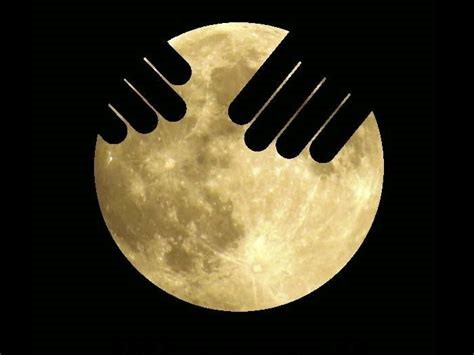
It was a dark cloud covered night as I sat outside playing a drum at my Chupadero valley home north of Santa Fe in 1982. It was more like the drum was playing me–or we were in a conversation like close friends. There was only the drum in my immediate awareness, no thoughts of conscious control or direction of the beat.   A slight breeze began, then light rain.  I asked whatever, whoever was listening in the darkness if I might see the moon and then watched how seemingly in response it appeared from a circular opening in the clouds. I kept drumming. A feeling of oneness with life welled up that was humbling amid this kinship with land, sky, water, air–an intimacy with the natural world I had not known fully before coming to New Mexico.  The feeling was both new and anciently familiar.

The beat abides.

Years later I learned that what happened this night in 1982 was the experience of many people in many cultures, this relationship of thought, intention and prayer between drummer, drum and the natural and noumenal world. Some say the drum was the first instrument used by humans and that it has the power to aid in healing and influence the weather. Stories about drummers being able to induce or dissuade thunder, rain and other elements through the vibrations sent into the atmosphere are common among indigenous people.    https://www.youtube.com/watch?v=JPn6eZHhoo0 

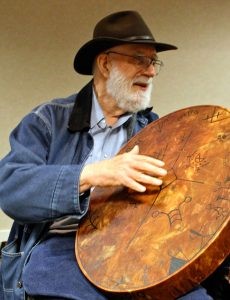
The Native American drum I held in my hands that night came to me through a creative performance production called Luna. I was singing as well as playing my old instrument from grade school, the clarinet.  Friend Jim Berenholtz https://composers.com/composers/jim-berenholtz   had composed the music and choreography for the performance based on the cycles of the moon.  Singers, musicians and dancers from Taos, Santa Fe and Albuquerque joined the creative collaboration.  After the performances, the one-sided Taos drums used by the dancers were for sale, and I bought one, not really knowing why or what to do with it.  But the drum was calling me to listen to its voice–the language of the tree, the animal, the earth, ancient cultures of the world and my own heartbeat.  Over time it has become an abiding companion on lonely nights, on Earth Walks journeys I have led throughout the American Southwest and Mexico and at monthly full moon drum circle gatherings in my home for over 20 years.  

After living in Chupadero, I was fortunate to find a home in the Upper Canyon Road area of Santa Fe, near the national forest.  On a hot summer day in June 1989, I walked with friend Judy on the unpaved road from my house. Judy was and is a wise mentor and confidant and at the time a highly respected director of substance abuse programs in Santa Fe.  Despite our easy-going conversation and smiles, I felt a certain sadness and slowness in my step because Judy was dealing with breast cancer.  It was a huge ordeal for her, but even so she maintained a sense of hope and optimism.  I wanted to help in whatever way I could, and had called her to offer a healing session with my drum.

That may sound like I knew what I was doing with the drum.  Yes, I had studied methods of healing through use of the drum with Michael Harner and other teachers and experienced what are called “journeys” to other states of consciousness where I encountered “animal allies” and insights into issues with which I was wrestling. The Way of the Shaman But to help someone else?  I thought it over repeatedly and drummed on my own seeking guidance. Ultimately, I felt it would be worth a try to share this with Judy during her battle with cancer. She was open to the experience.

As we found our way to a secluded side canyon, there were a few drops of rain among Western meadowlark warbles and cooing Mourning doves. Judy got comfortable on the ground and I sat next to her, gently drumming.  I closed my eyes, letting a rhythm emerge from within, without trying to construct one.  What happened next are best described in Judy’s own words which she wrote in 2014:

“...friend Doug called and wanted to do a drum healing ceremony for me.  He also played the flute, a hauntingly lovely sound heard years later as it wafted over us at my 50th birthday party, five years into survivorship.  He does music; comforting and healing music, lodged firmly and deeply in his unique spiritual perspective and practice.  On this June day in 1989, we walked into the Audubon protected area near his house on Upper Canyon Road.  A meadowlark sang to us both as we entered the soft sunny woods, and again later as we left.  I laid on my back in the sun as Doug gently drummed.  As I slipped away, my hawk flew, circling above me and then came down to rest near me. 

            What seemed to be a snarling dull gray wolf was off to my right in the trees.  I was afraid as it seemed ominous and scary.  My hawk flew low and fast over me, I thought to protect me from the wolf.  It then landed on the wolf’s back.  I was no longer afraid, as the wolf now seemed friendly and non-threatening.  The wolf walked over to me, hawk on its back, and wonder of wonders, stretched out soft and warm, nurturing along my left side, with its muzzle restring on my shoulder, sweet as can be.  It was incredibly touching.  The hawk then spread its wings and covered my body with them while resting on my stomach.  I felt safe and embraced with healing light.  I remembered another time in the early days of diagnosis, while visualizing the cancer, a snarling wolf had appeared and I pushed it away as it seemed frightening.  Now it seemed like an ally; what had been frightening was now a helper.  Extraordinary experience; extraordinary Doug.”

I do not consider myself extraordinary, but am humbled and grateful to Judy for this extraordinary opportunity.  It was a healing experience that opened some unnamable healing currents within myself as well. Our experience was testimony to the power of the drum, the power of prayer and positive intention.

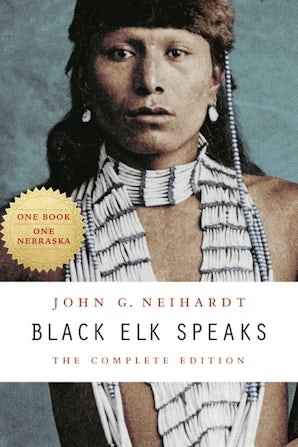
In the book “Black Elk Speaks,” by John Neihardt, Oglala Sioux holy man Black Elk says this: “Since the drum is often the only instrument in our sacred rites, I should perhaps tell you here why it is especially sacred and important to us.  It is because the round form of the drum represents the whole universe and its steady strong beat is the pules, the heart, throbbing at the center of the universe, it is the voice of Wakan Tanka (Great Spirit) and this sound stirs us and helps us to understand the mystery and power of all things.” https://www.nebraskapress.unl.edu/bison-books/9780803283916/

It is important to know that Judy was the victor in her battle with cancer. The beat abides.


Your Vibe Attracts Your Tribe–the Beat Abides!

In the beginning there was silence.  Then came the big beat that some call the bang—intense vibration, energy, rhythm–sustained and steady. Since time began, that cosmic beat has remained through creation, war and turmoil, joy and transformation, chaos and dislocation–an ancient universal messenger keeping memory and hope alive across countless generations and cultures on Earth.  And one beat of a drum opened a doorway of awareness for a young man who had just stepped out of the gates of incarceration.

It was 1998 and five of us were sitting around a low table in the little office space on Second Street that was assigned to a Santa Fe, New Mexico community corrections program. Three of the group were on probation from juvenile court.  One of us was an Indigenous American woman named Sapokniona, White Feather Grandmother.  One of us was me.  All had drums in our hands. The faces of the two young men and one young woman on probation look bored or irritated and seemed to say, “OK, let’s get this over.”  Sapokniona spoke gently, quietly, with what felt like reassuring confidence.https://sapokniona.wixsite.com/whitefeather

I had been asked to present some of my studies in cross cultural earth related traditions to these youth who were considered “high risk” having had numerous run-ins with the law. But when I got the go ahead, I puzzled about how to offer my experiences and studies to some who might not be remotely interested.  I had a Master’s degree in criminal justice, had been a juvenile probation officer, worked part time in a Colorado youth prison and served a year as a counselor in an Army jail where the word “counselor” was an anathema, so I had some reason to wonder about what to present.

In the middle of my muddle came the thought: drums.  Drumming was physical and could be energetic and noisy and an attention getter.  Local drummer Eric Gent kindly loaned his drums. Eric and his wife Elise had sponsored African dance sessions in Santa Fe for decades. Then I thought of Sapokniona, an acquaintance of Apache heritage who led teaching circles, ceremony, workshops and retreats that included work with veterans’ groups. She kindly agreed to lead the group of youth that day.

“I want each of us to play one single beat, in unison,” Sapokniona said.  I was expecting something a lot louder and more physical, but went along with it, as did the others.  One beat at a time, like the steady rhythm of a pulsing heart. Each hand with a beater rising then falling on the face of the drum. First softer, then louder, then softer, then it was over.  We went around the table to talk about the experience.  It came to one young man who looked confused, withdrawn. He hesitated.

Finally, he said, “When I closed my eyes for a while, I saw a bear.”


“Well,” Sapokniona paused, then responded.  “My people believe that the bear represents the direction of the west.  And you are sitting in that direction.  I’m not surprised.”  But the rest of us were, including the young man whose face lightened a bit, almost into a smile.

The beat abides—your vibe attracts your tribe.

To my understanding, some Indigenous Americans view the strength of “bear medicine” as the power of introspection.  Bear seeks honey, like the sweetness of truth and intuition inside the silent “cave” of mind and soul.  Think of Merlin in his crystal cave.  In India, the cave symbolizes the creative energy of Brahma which some consider to be the pineal gland located at the base of the brain. https://study.com/academy/lesson/god-brahma-overview-facts-significance.html

As I wrote these words on an early March morning in 2017, the first rays of sun touched my table, the computer, my hands, the photographs of the family “rogue’s gallery” above on the wall.  I stopped for a moment to listen to the “sounds of silence” around me:  the light twinkle of water in the nearby fountain, the low burbling beating of the humidifier releasing wispy curls of steam, the drone of the refrigerator, the rumbling beat of the attic heater and then…the percussive tapping of typing on the laptop with punctuations, rests, faster and slower rhythms…an opus magnum.

I thought again about the young man in the drum circle who had just stepped through the gates of incarceration. Something happened for him that day that couldn’t be put into words. His eyes got a little wider and there was something like a smile.  Maybe the world, too, got just a bit wider with wonder and possibility for him and for all of us in the group, drumming that one beat together.

Did it make a lasting difference in his life in some way?  I don’t know. But my thought and hope echo Ann Mortifee’s song, “Just One Voice” https://www.youtube.com/watch?v=U_xixpmvgGY

A single note becomes a song,

            A single tree becomes a forest.

            A single voice that’s clear and strong

            Can turn into a worldwide chorus.

            Just one voice, one single voice,

            If you say you can, well then you can!

The Native American drum first found its way into my hands in 1982 soon after I arrived in New Mexico. It still does in 2024 after hosting monthly full moon leaderless drum circles in my home for nearly 25 years. In the posts to follow, I’ll share some of my journey with the drum.  If you haven’t picked up a drum to try it out, do so!  It’s a universal, worldwide instrument.  Your vibe will attract your tribe.  Have fun!


A Voice in the Clouds

It was an overcast day, the gray clouds mirroring my mood from the news I had just received early that morning.  My mother called from Kansas to tell me that her father, Grandpa Wallace Fleming, had just passed on.  As I lay in bed gazing out the window at the colorless clouds thinking of him, a perfectly circular opening appeared in the gloom through which I could see brilliant blue sky.  At that moment I seemed to hear grandpa speaking to me and telling me he had “made it over” and all was well.

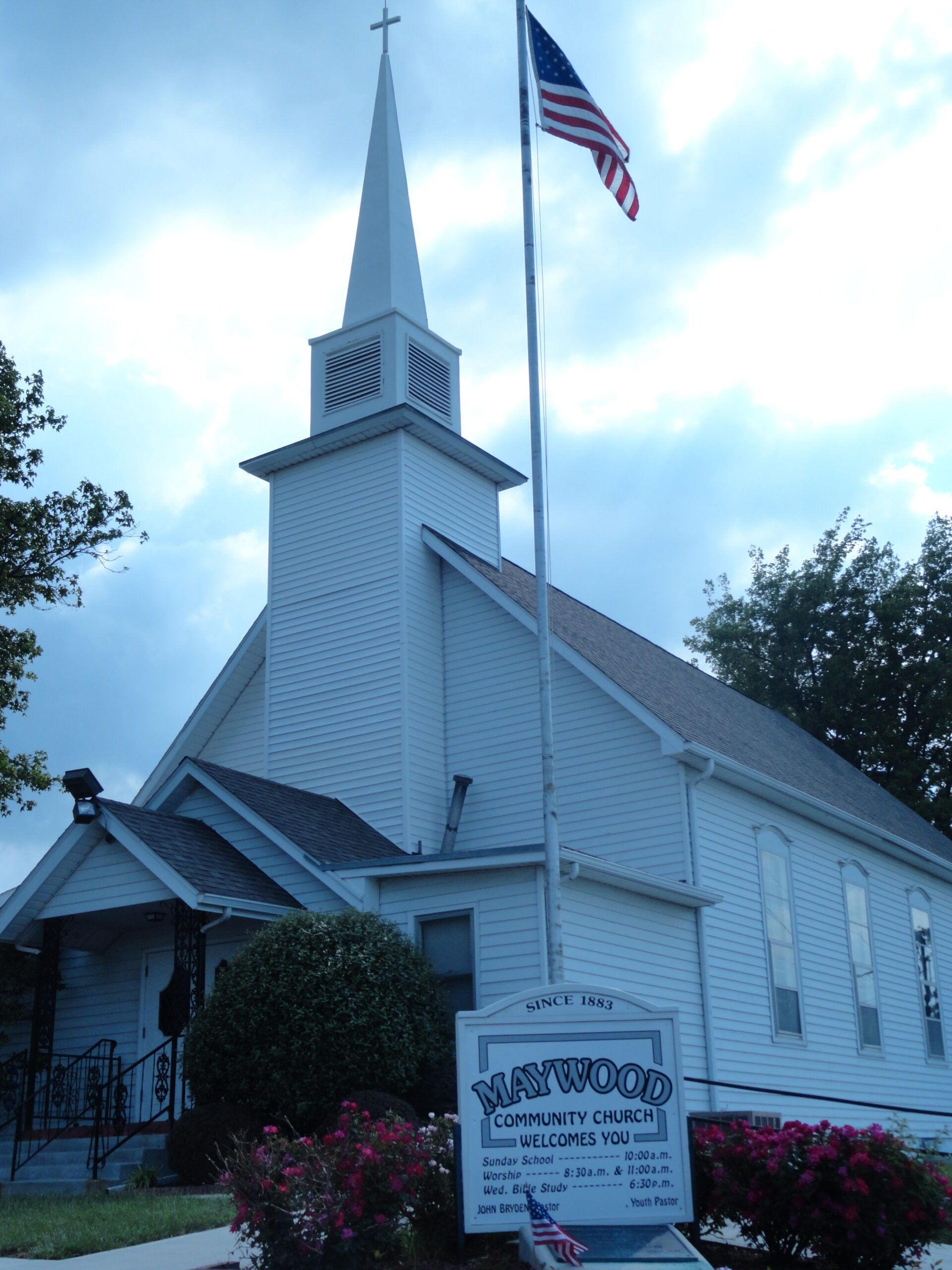
Maywood Community Church, Kansas where Grandpa Fleming attended.

It was March, 1978 and I was living in Boulder, Colorado serving as a juvenile probation officer and working on my Master’s degree in Public Administration with specialization in criminal justice.  In August of 1981 after I moved to New Mexico, I visited the Millicent Rogers Museum in Taos which had an impressive collection of Native American and Hispanic art and artifacts.  https://www.millicentrogers.org/pages/mission

I was drawn to a particular Hopi pot and discovered quite to my surprise a depiction of what were said were “spirit holes”–circular openings in the clouds through which the spirits pass through.  In total amazement, I realized  that my personal experience was not singular and indeed was confirmed by at least one other culture, in this case the Hopi Pueblo people of Arizona.

From a strictly meteorological point of view, there are some possible scientific explanations:  https://www.weather.gov/grb/111506_holepunch   https://spectrumlocalnews.com/nys/central-ny/weather/2020/11/25/what-is-a-hole-punch-cloud and https://en.wikipedia.org/wiki/Fallstreak_hole   I have been told by Indigenous Pueblo people where I live in New Mexico that they traditionally believe  moisture from the clouds in the form of rain, snow, etc. is the ancestors coming to visit. If you think about it, when we pass on, the moisture which comprises nearly 70% of the adult human body, evaporates into the atmosphere and to some degree becomes part of the life cycle that includes the formation of clouds. Maybe that “some degree” also carries the voice and spirit of the ancestors.

In any case, that day in Boulder I am certain the voice and spirit of my own ancestor Grandpa Fleming spoke through the perfect circle in the clouds, letting me know he’d made a happy landing.


Rain Caller

RAIN CALLER

Sometimes you do what you need to do without knowing what you need to do. That was the case on a blisteringly hot summer day in Santa Fe in 1995.  Temperatures were over 100 and we had been suffering from a long dry spell with no relief in sight.  Not a single cloud in the sky for weeks. It was part of an unprecedented heat wave in midwestern U.S. states during which 3,000 people died, 750 in Chicago alone. https://press.uchicago.edu/Misc/Chicago/443213in.html

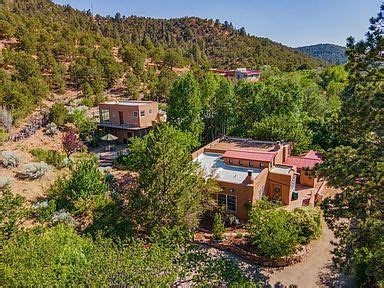
I was living at 1710 Upper Canyon Road in an historic but crumbling adobe rental that had all the rough charm I could have ever wanted.  The first Archbishop of Santa Fe, Lamy, was listed as the original property owner, but the rugged remoteness of the earthen cabin two miles from the downtown Cathedral might have made the place more of a retreat house than a primary residence.  1710 Upper Canyon Rd #B, Santa Fe, NM 87501 | ZillowThe fireplace was almost big enough to put whole trees in it, or so it seemed to me.  There were cracks in the wood plank flooring and cracks around the weathered window frames where the adobe plaster was splintering.  One day as I sat at the kitchen table with my dear black cat Mona on my lap, a chunk of wall fell out, hitting me on the forehead and narrowly missing Mona.  As I sat motionless and stunned, a small dribble of blood began to snake down my face. (The photo above is from a realtor’s page after the little adobe I lived in was bought and expanded dramatically.)

But I loved the place, and it loved me back.  It was a dream come true–living by an acequia (irrigation canal) next to the Santa Fe National Forest, dark night skies filled with an amazing quilt of sparkling stars and quiet.  Many gatherings of friends and welcome strangers took place there over the years–drum circles, counseling and massage therapy sessions, music making, tipi ceremonies and prayers for peace and well-being.  The adobe walls were thick and on hot days, a welcome relief to the relentless sun and heat outside. On cold days it was hard to stay warm even though I covered the widows with thick plastic sheeting and fashioned my Grandma Fleming’s wool blankets into curtains.

On this particular day I had agreed to give a massage to an NMAS client who was now at my door.  I was a volunteer massage therapist for the New Mexico AIDS Services program, serving people with HIV and AIDS as well as their caregivers and families.  Before starting the session, I said to my client, “Rocky, I feel like I need to go outside and call the rain.”  He looked at me puzzledly but joined me on the patio.  “What are we supposed to do?” he asked.  I had no idea, but I did bring what is called a “rainstick,” thinking that might help in some way.

A rainstick is a long, hollow tube partially filled with small pebbles or beans that has small pins or thorns arranged on its inside surface. https://en.wikipedia.org/wiki/Rainstick  When the stick is upended, the pebbles fall to the other end of the tube, making a sound reminiscent of rain falling. The rainstick is believed to have been invented by the Mapuches of Chile and was played in the belief it could bring about rainstorms. It was also found on the Chilean coasts, though it is not certain if it was made by the Incas. Rainsticks are usually made from any of several species of cactus. The cacti, which are hollow, are dried in the sun. The spines are removed, then driven into the cactus like nails. Pebbles or other small objects are placed inside the rainstick, and the ends are sealed. A sound like falling water is made when the rainstick has its direction changed to a vertical position. Although it was thought to have been invented in Chile, many similar instruments can also be found in Southeast Asia, Australia and Africa, where it is often made using bamboo rather than dried cactus. Indigenous peoples of the Southwest use gourd rattles and other instruments in a similar ceremonial fashion.

For some reason, I lifted my rain stick to the sky and turned it to face the full intensity of the sun.  As I turned the stick, pebbles gently creating the sound of water flowing, I asked the sun for its help in bringing rain.  Pretty counter intuitive it seemed. It was Rocky’s turn to do what he thought best, then we both went inside for the therapy session.

Just as we began the massage, I thought I saw a brief dimming of light outdoors.  Then again.  I looked and there were a few clouds, the first in many weeks.  That evening there was a wonderful rainstorm bringing much needed relief.  Needless to say, I was dancing in the rain for joy.

Annie Kahn

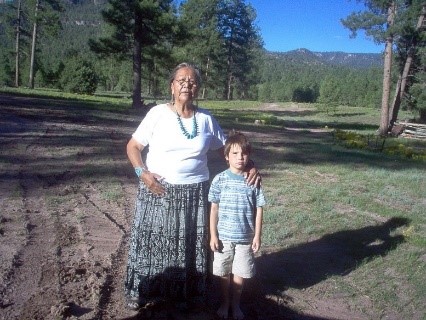
Some days later, I spoke to a Dinè (Navajo) elder friend by phone.  Annie Kahn had hosted a number of Earth Walks journeys at her hogan in Lukachukai, Arizona and I had great respect and love for this dear person who shared her wisdom with so many others.

“Annie, do you think I kind of maybe smelled or sensed the rain coming that caused me to go outside and do the rain prayer?” I asked.

I could see her shaking her finger at me in her good-natured grandmotherly way.  “It sounds like you are having trouble accepting responsibility for what you did.  More people should be doing this!”

Ladder to the Moon

It was a hot summer solstice day June 22, 1985, and I was hiking the high country above Santa Fe with a 40-pound backpack.  Light streamed through ponderosa pines, dappling the path I walked.  My breath was coming harder so a stream along the way was welcome cool relief. Then it was onward and upward. As I approached the summit of Puerto Nambe, I paused for air in the rarefied atmosphere and took in the great expanse nearly 12,000 feet below me.  I felt small, insignificant amidst this vast panorama and yet somehow as wide and endless as the sky and its horizon. Far in the distance was Pedernal Peak on the northwest edge of the Jemez Mountain range.

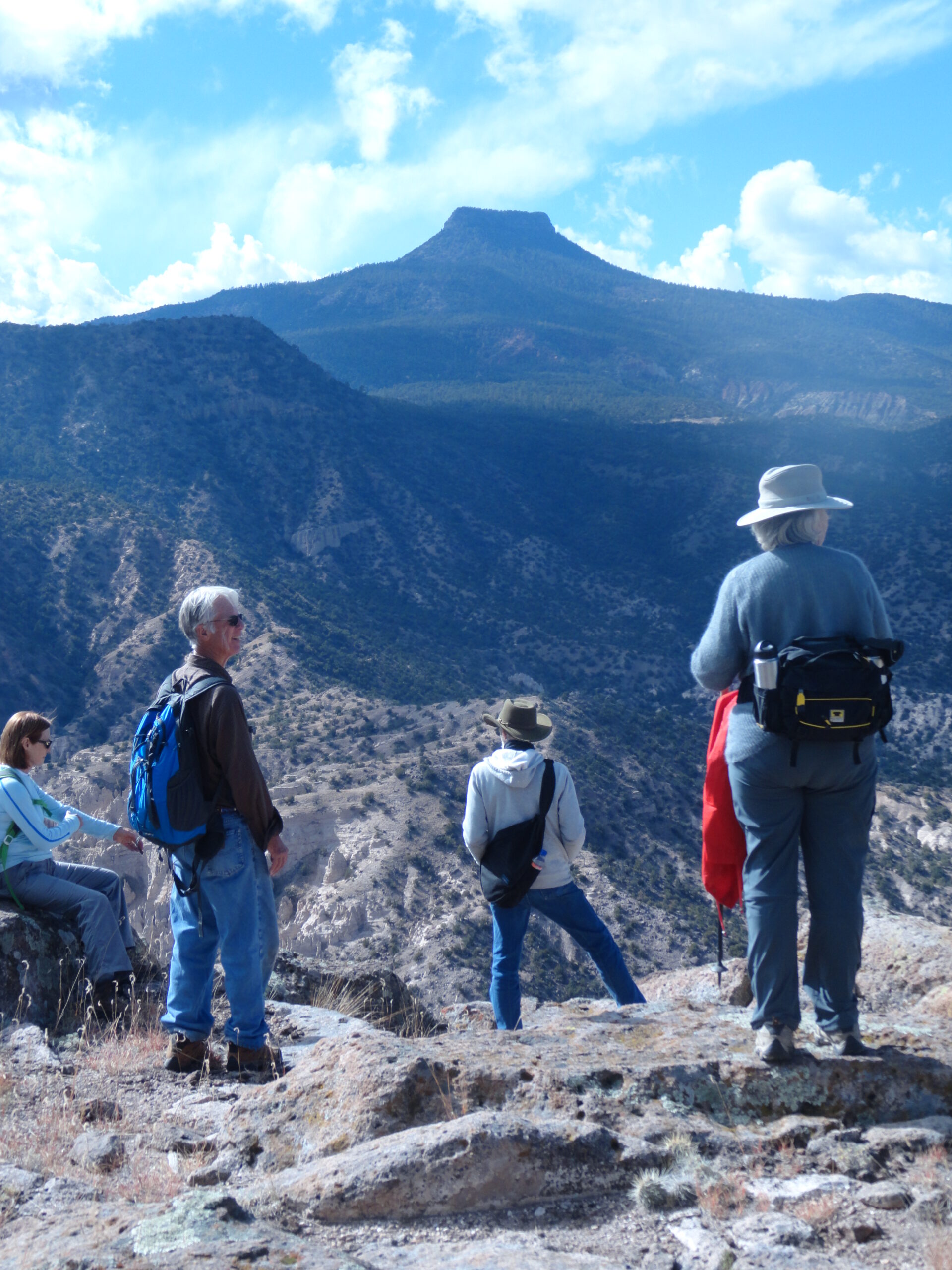
Pedernal in Spanish means “flint.” The first peoples of the area call it by the Keres language name of Tsi Ping, “place of chipping away.” Centuries ago, Pueblo people traded chert and obsidian implements crafted from mines at Tsi Ping.  When I once climbed the 10,000-foot volcanic butte, I was scrambling up 8 million years of geologic history and could see the far away mountains of Colorado. Another time I explored the nearby ancient pueblo (also called Tsi Ping) perched atop a mesa and found numerous examples of archeoastronomy, places where researchers believe certain natural features align on specific seasonal, lunar and solar events and figure into sacred ritual observances of the people. As they continue do today in the Pueblos, these cyclical events foster awareness of our essential connection with nature and a sense of balance and inspiration. https://geoinfo.nmt.edu/tour/landmarks/cerro_pedernal/home.html 

Silently standing on the summit of the Sangre de Cristos and looking back at Tsi Ping, I was awestruck at the drama of sky and earth before me. I was certainly not the only one to feel that way. In 1958, famed artist Georgia O’Keefe painted Tsi Ping with a ladder to a moon suspended in a turquoise sky. The moon was in perfect balance, halfway between full and new, light slicing it exactly in half.  They say Georgia thought if she painted it enough times it would become “hers.” Was the painting just a reflection of surroundings at her Ghost Ranch house?  Or did it symbolize some kind of unseen link between us and cosmic forces like the ladder in a sacred ceremonial Pueblo kiva? We can only guess at the answer, but O’Keefe passed on March 6, 1986 and her ashes were spread atop the peak according to her wishes.  If the mountain did not become hers, perhaps she was claimed by the mountain.  https://www.georgiaokeeffe.net/

O’Keefe was a fearless pioneer when women were more likely to be found cooking in the kitchen and cleaning up after their families.  That’s a sacred role, but O’Keefe was an iconoclastic renegade, a rebel with a cause and a profoundly talented one at that.  I’m a lot rebel myself and I like that in her. She also took a local young man, Tio Manzanares, under her wing and supported his education and employment. Tio later became a friend of mine as well as an Earth Walks cultural guide. O’Keefe gave generously to the local elementary school and other causes.

It was getting late that summer solstice afternoon, and I needed to make camp in the Puerto Nambe area.  But I was glued in astonishment to the rock in the meadow where I sat watching the path of the sun make a direct arc towards the dark pyramid of Tsi Ping.  As it reached the horizon the huge burning orb of orange and red set directly behind the pointed peak, bisecting it exactly in half.  Had I been here a few days before or after, I would not have seen this phenomenon. In that profound instant, dots and lines connect in my mind.

There are no accidents. I was watching this convergence of sun and earth that in my bones I knew was a part of ancient rituals at this very spot. I had not only a visual connection with Tsi Ping at that moment, but something else powerful, unnamable, timeless. The sun set and I had to set up my camp for the night.  Hoisting up my backpack I walked the steep mountain pass trail into the growing darkness of evening, like walking up the steps of Georgia’s ladder to the sky. Somewhere above me that moon must have been hanging in perfect balance.